volume of a prism
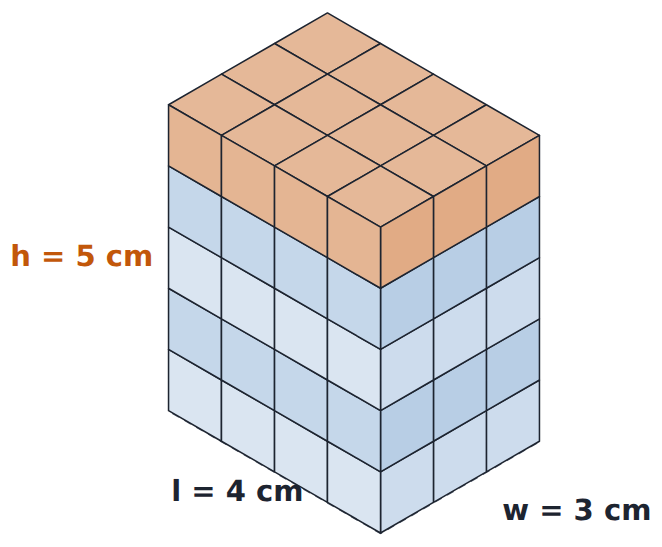
Each layer is the base (the cross-section); the height counts the layers. For a box, .
Area, volume, circles and Pythagoras · The words and methods from the lessons, with an example of each.
Each layer is the base (the cross-section); the height counts the layers. For a box, .
A cubic metre is 100 × 100 × 100 = 1 000 000 cm³: convert each of the three lengths.
The shape that is the same all the way along a prism, like a slice of bread. A triangular prism's cross-section is a triangle: halve first.

How much a container holds. A 10 cm cube holds 1 litre.
The area of the end times the length, for any right prism. Divide to find a missing length.