scale
A ratio of the drawing (or model) to the real thing. Each 1 unit on the drawing is 50 units in real life.
Number Foundations · The words and methods from the lessons, with an example of each.
A ratio of the drawing (or model) to the real thing. Each 1 unit on the drawing is 50 units in real life.
One change after another: multiply the multipliers. Up 20% then down 20% is × 0.96.
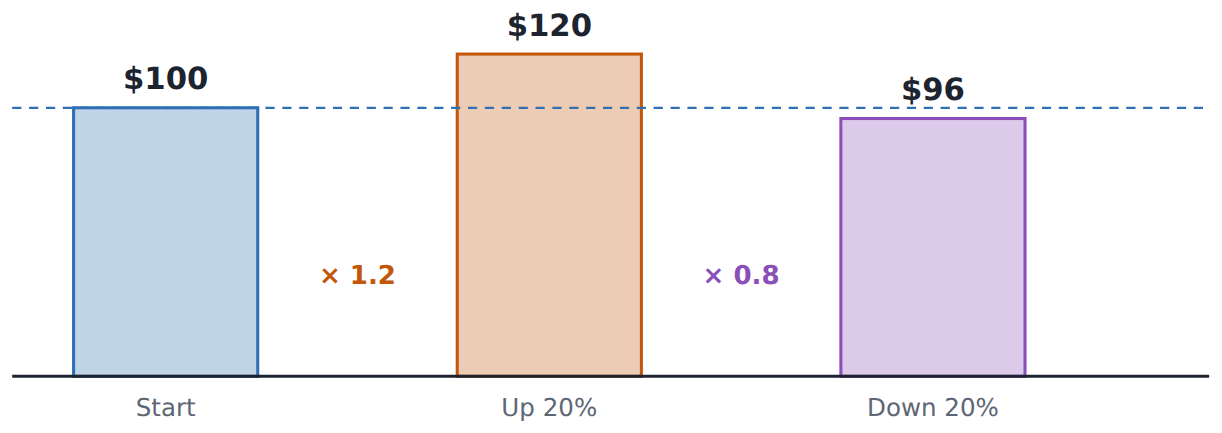
Each percentage is of a different amount, so they cannot be added: 20% off then 10% off is not 30% off.
The first step in modelling: say what you know, what you need, and how they are linked. Then calculate.
The marginal rate is the rate on the last dollar; the effective rate is total tax ÷ income.
Every model assumes something (steady speed, no fees, no starting charge). When it disagrees with real life, name the assumption and refine the model.
A percentage profit or change is out of the original amount, the cost, not the selling price.