running total
Start the total at 0 once, then add to it on every pass.
total = 0
while total < 10:
total += int(input("Add: "))Data detective · In any playground, open Reference to copy these.
Start the total at 0 once, then add to it on every pass.
total = 0
while total < 10:
total += int(input("Add: "))Give a value a name, so you can reuse and change it.
size = 50length = 120
forward(length)
left(90)
forward(length / 2)
Work through a list, one item at a time.
for c in colours:
passpensize(6)
for c in ["red", "blue", "green"]:
pencolor(c)
forward(40)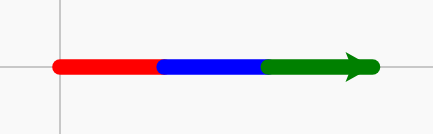
Show text or a value in the output box.
print("Hello")Values stored under names (keys). One dictionary can hold everything about one thing.
star = {"speed": 5, "points": 1}True if the item is in the list (or the key is in the dictionary, or the letters are in the text).
if item in bag:
passEach row of the file becomes a dictionary, keyed by the column names in the first line. Every value is text.
import csv

with open("music.csv") as f:
rows = list(csv.DictReader(f))Do one thing or the other, depending on a condition.
if x > 0:
    pass
else:
passfor x in [-90, -30, 30, 90]:
penup()
goto(x, 0)
if x > 0:
dot(30, "red")
else:
dot(30, "blue")
hideturtle()
Change a value every pass: read the old one, store a new one.
size = 5
for i in range(20):
    forward(size)
    right(90)
size = size + 5size = 5
for i in range(30):
forward(size)
right(90)
size = size + 5
Join pieces of text into one with +. Spaces only appear where they are inside the quotes.
"Hello, " + nameThe value stored under that key. The key goes in quotes. Assign to it to change it: star["speed"] = 8.
star["speed"]Opens the file to read and gives you all of it as one piece of text.
with open("save.txt") as f:
    text = f.read()