forward
Move the turtle forward. The number is how many steps.
forward(100)
Python Foundations with Turtle · In any playground, open Reference to copy these.
Move the turtle forward. The number is how many steps.
forward(100)Turn clockwise by this many degrees.
right(90)forward(60)
right(90)
forward(60)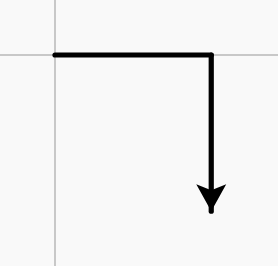
Lift the pen so moving does not draw.
penup()forward(40)
penup()
forward(40)
pendown()
forward(40)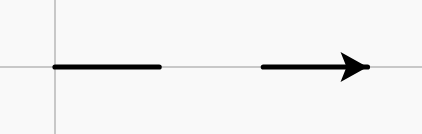
How fast the turtle moves, from 1 (slow) to 10 (fast).
speed(10)Repeat the indented lines this many times.
for i in range(4):
passfor i in range(5):
forward(15)
penup()
forward(10)
pendown()
Give a value a name, so you can reuse and change it.
size = 50length = 120
forward(length)
left(90)
forward(length / 2)
Name the number of sides once; the turn is worked out from it.
sides = 5
for i in range(sides):
    forward(60)
right(360 / sides)sides = 6
for i in range(sides):
forward(60)
right(360 / sides)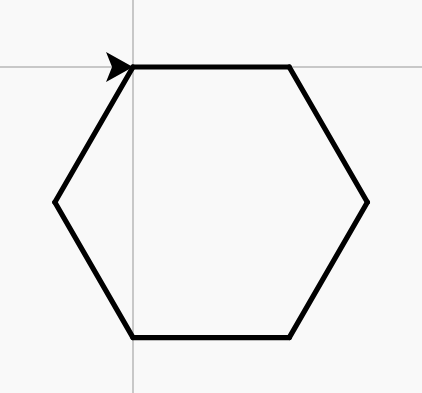
Change a value every pass: read the old one, store a new one.
size = 5
for i in range(20):
    forward(size)
    right(90)
size = size + 5size = 5
for i in range(30):
forward(size)
right(90)
size = size + 5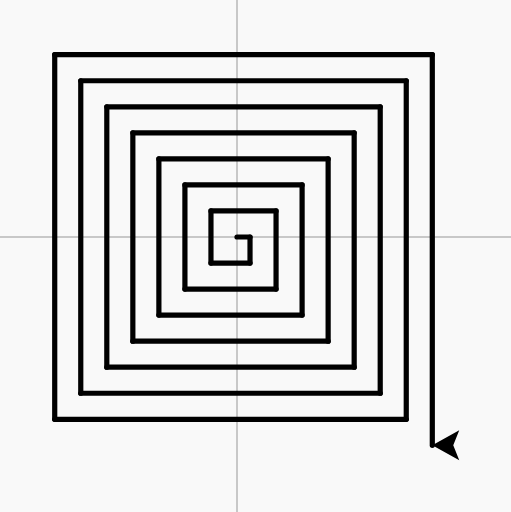
Move the turtle backward without turning.
backward(100)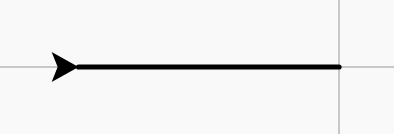
Turn anticlockwise by this many degrees.
left(90)forward(60)
left(90)
forward(60)
Put the pen down so moving draws again.
pendown()forward(40)
penup()
forward(40)
pendown()
forward(40)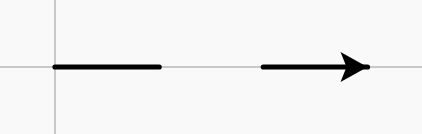
Draw a square by repeating forward and right four times.
for i in range(4):
    forward(100)
    right(90)
Start the total at 0 once, then add to it on every pass.
total = 0
while total < 10:
total += int(input("Add: "))i % 2 == 0 is true on every second pass.
for i in range(8):
    if i % 2 == 0:
        pass
    else:
passfor i in range(8):
if i % 2 == 0:
pencolor("red")
else:
pencolor("blue")
pensize(6)
forward(30)
right(45)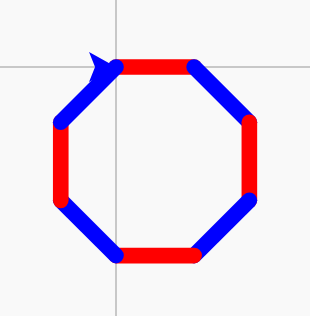
Use the counter i to make each pass different.
for i in range(20):
    forward(i * 5)
right(90)for i in range(30):
forward(i * 5)
right(90)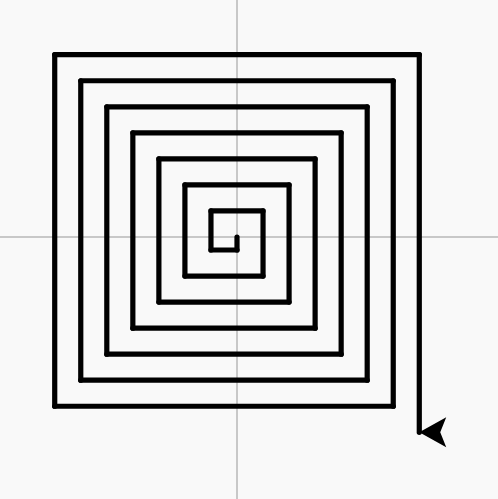
Show text or a value in the output box.
print("Hello")Jump to a position. (0, 0) is the centre; x goes right, y goes up.
goto(0, 0)goto(80, 60)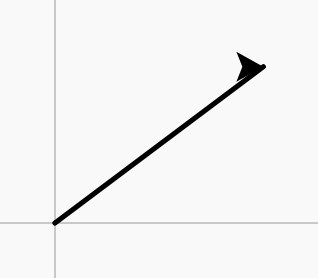
Set the line colour, using a colour name.
pencolor("red")pencolor("red")
forward(100)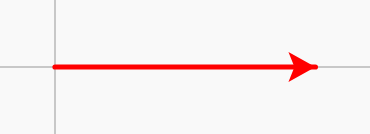
Everything drawn between these two lines is filled in.
begin_fill()

end_fill()fillcolor("orange")
begin_fill()
for i in range(4):
forward(60)
right(90)
end_fill()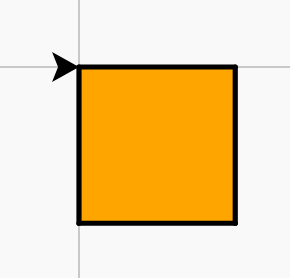
Keep many values in order under one name. The first item is place 0.
colours = ["red", "blue", "green"]Work through a list, one item at a time.
for c in colours:
passpensize(6)
for c in ["red", "blue", "green"]:
pencolor(c)
forward(40)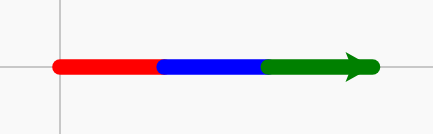
Set how thick the line is.
pensize(5)pensize(1)
forward(50)
pensize(8)
forward(50)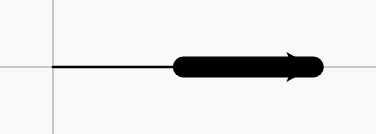
Choose the colour to fill shapes with.
fillcolor("blue")fillcolor("blue")
begin_fill()
circle(40)
end_fill()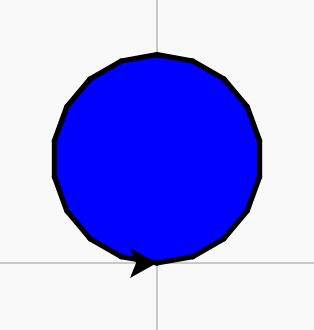
Do one thing or the other, depending on a condition.
if x > 0:
    pass
else:
passfor x in [-90, -30, 30, 90]:
penup()
goto(x, 0)
if x > 0:
dot(30, "red")
else:
dot(30, "blue")
hideturtle()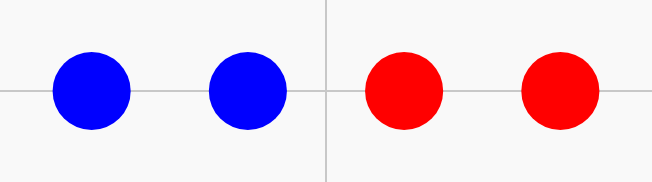
True if the item is in the list (or the key is in the dictionary, or the letters are in the text).
if item in bag:
    pass