running total
Start the total at 0 once, then add to it on every pass.
total = 0
while total < 10:
total += int(input("Add: "))Machine learning with Gradio · In any playground, open Reference to copy these.
Start the total at 0 once, then add to it on every pass.
total = 0
while total < 10:
total += int(input("Add: "))Give a value a name, so you can reuse and change it.
size = 50length = 120
forward(length)
left(90)
forward(length / 2)
Keep many values in order under one name. The first item is place 0.
colours = ["red", "blue", "green"]Work through a list, one item at a time.
for c in colours:
passpensize(6)
for c in ["red", "blue", "green"]:
pencolor(c)
forward(40)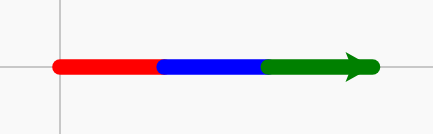
Show text or a value in the output box.
print("Hello")Pick a random whole number between two values.
import random

n = random.randint(1, 10)Join pieces of text into one with +. Spaces only appear where they are inside the quotes.
"Hello, " + nameTurn a number into text, so it can be joined: "Score: " + str(score).
str(score)The value stored under that key. The key goes in quotes. Assign to it to change it: star["speed"] = 8.
star["speed"]Opens the file to read and gives you all of it as one piece of text.
with open("save.txt") as f:
text = f.read()Shuffle, then keep some examples back. Train on one part; test only on the other.
random.seed(1)
random.shuffle(penguins)
train = penguins[:250]
test = penguins[250:]Do one thing or the other, depending on a condition.
if x > 0:
    pass
else:
passfor x in [-90, -30, 30, 90]:
penup()
goto(x, 0)
if x > 0:
dot(30, "red")
else:
dot(30, "blue")
hideturtle()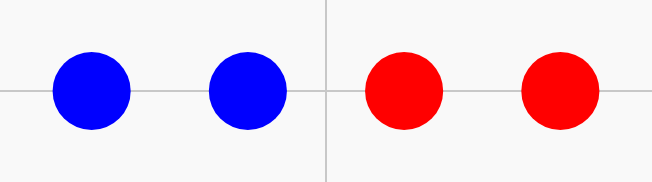
Change a value every pass: read the old one, store a new one.
size = 5
for i in range(20):
    forward(size)
    right(90)
size = size + 5size = 5
for i in range(30):
forward(size)
right(90)
size = size + 5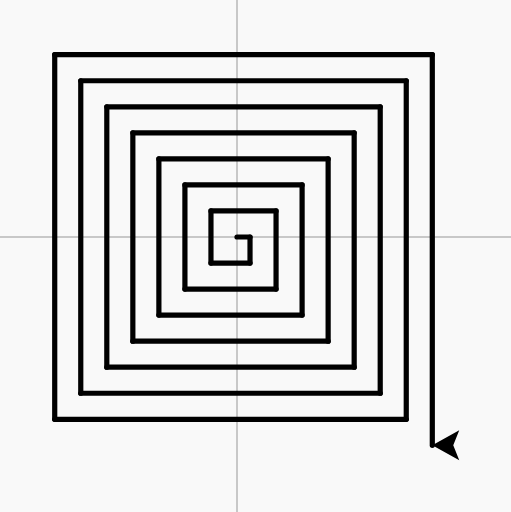
Name a group of steps, then run it by calling its name.
def shape():
    pass

shape()def zigzag():
left(45)
forward(30)
right(90)
forward(30)
left(45)
zigzag()
zigzag()
zigzag()
Values stored under names (keys). One dictionary can hold everything about one thing.
star = {"speed": 5, "points": 1}True if the item is in the list (or the key is in the dictionary, or the letters are in the text).
if item in bag:
passEach row of the file becomes a dictionary, keyed by the column names in the first line. Every value is text.
import csv

with open("music.csv") as f:
rows = list(csv.DictReader(f))Draw a square by repeating forward and right four times.
for i in range(4):
    forward(100)
    right(90)
i % 2 == 0 is true on every second pass.
for i in range(8):
    if i % 2 == 0:
        pass
    else:
passfor i in range(8):
if i % 2 == 0:
pencolor("red")
else:
pencolor("blue")
pensize(6)
forward(30)
right(45)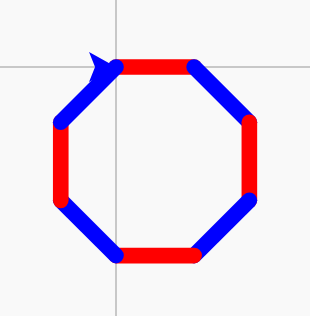
Gradio calls your function with what was chosen, and shows what it returns.
import gradio as gr

def answer(choice):
    return "You chose " + choice

gr.Interface(fn=answer, inputs=gr.Dropdown(["pop", "rock"]), outputs="text").launch()The new example needs the same columns, in the same order, as the training data.
mystery = pd.DataFrame([[47.0, 215.0]], columns=X.columns)
print(model.predict(mystery)[0])Repeat the indented lines this many times.
for i in range(4):
passfor i in range(5):
forward(15)
penup()
forward(10)
pendown()
Use the counter i to make each pass different.
for i in range(20):
    forward(i * 5)
right(90)for i in range(30):
forward(i * 5)
right(90)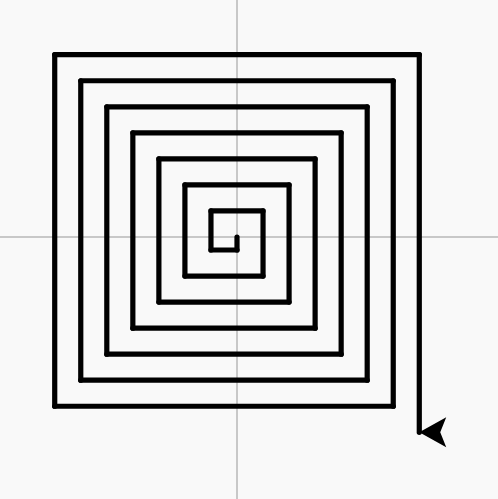
Reads the whole file into a table (a DataFrame). Numbers stay numbers.
import pandas as pd

songs = pd.read_csv("music.csv")fit learns from the training examples; score tests on the held-back ones (1.0 is 100%).
from sklearn.model_selection import train_test_split
from sklearn.neighbors import KNeighborsClassifier

X_train, X_test, y_train, y_test = train_test_split(X, y, test_size=0.25, random_state=1)
model = KNeighborsClassifier(n_neighbors=1)
model.fit(X_train, y_train)
print(model.score(X_test, y_test))