home
Go back to the centre, facing right.
home()Example
forward(80)
left(90)
forward(40)
home()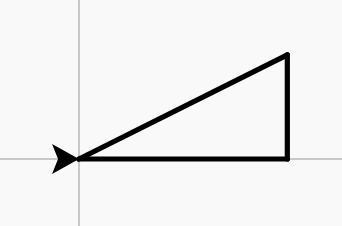
Web apps with Flask · In any playground, open Reference to copy these.
Go back to the centre, facing right.
home()forward(80)
left(90)
forward(40)
home()Give a value a name, so you can reuse and change it.
size = 50length = 120
forward(length)
left(90)
forward(length / 2)
Keep many values in order under one name. The first item is place 0.
colours = ["red", "blue", "green"]Work through a list, one item at a time.
for c in colours:
passpensize(6)
for c in ["red", "blue", "green"]:
pencolor(c)
forward(40)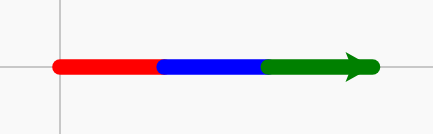
Join pieces of text into one with +. Spaces only appear where they are inside the quotes.
"Hello, " + nameThe value stored under that key. The key goes in quotes. Assign to it to change it: star["speed"] = 8.
star["speed"]True if the item is in the list (or the key is in the dictionary, or the letters are in the text).
if item in bag:
passA template is HTML with gaps: {{ }} shows a value, {% for %} repeats a part for each item.
PAGE = """<ul>
{% for m in members %}
  <li>{{ m["name"] }}</li>
{% endfor %}
</ul>"""

return render_template_string(PAGE, members=members)Do one thing or the other, depending on a condition.
if x > 0:
    pass
else:
passfor x in [-90, -30, 30, 90]:
penup()
goto(x, 0)
if x > 0:
dot(30, "red")
else:
dot(30, "blue")
hideturtle()
Change a value every pass: read the old one, store a new one.
size = 5
for i in range(20):
    forward(size)
    right(90)
size = size + 5size = 5
for i in range(30):
forward(size)
right(90)
size = size + 5
Name a group of steps, then run it by calling its name.
def shape():
    pass

shape()def zigzag():
left(45)
forward(30)
right(90)
forward(30)
left(45)
zigzag()
zigzag()
zigzag()
Joins an address to a function. What the function returns is the page.
@app.route("/about")
def about():
return "<h1>About</h1>"<name> matches any word in that place of the address, and is passed to the function.
@app.route("/group/<name>")
def group(name):
return "You asked for + nameShow text or a value in the output box.
print("Hello")"w" makes the file, or empties it first if it is already there, then writes. with closes the file at the end.
with open("save.txt", "w") as f:
f.write(text)Each row of the file becomes a dictionary, keyed by the column names in the first line. Every value is text.
import csv

with open("music.csv") as f:
rows = list(csv.DictReader(f))Sends the browser on to another address, such as back home after a form.
return redirect("/")strip() removes spaces at the ends; lower() and upper() change the capitals. Each gives back new text.
command = command.strip().lower()Opens the file to read and gives you all of it as one piece of text.
with open("save.txt") as f:
text = f.read()A form with method='post' sends each box that has a name='...' attribute. request.form looks them up by that name.
@app.route("/join", methods=["POST"])
def join():
name = request.form["name"].strip()"a" adds to the end of the file instead of emptying it. Each list becomes one row.
with open("members.csv", "a", newline="") as f:
csv.writer(f).writerow([name, group])Return a dictionary and Flask sends it as JSON, for other programs to read.
@app.route("/api/members")
def api_members():
return {"members": members}The type after each parameter (int, str, float) is checked: a wrong value gets an error reply (422) before your code runs.
@api.get("/year")
def year(y: int):
    return {"next": y + 1}