square (loop)
Draw a square by repeating forward and right four times.
for i in range(4):
    forward(100)
    right(90)
Machine learning with Gradio · In any playground, open Reference to copy these.
Draw a square by repeating forward and right four times.
for i in range(4):
forward(100)
right(90)i % 2 == 0 is true on every second pass.
for i in range(8):
    if i % 2 == 0:
        pass
    else:
passfor i in range(8):
if i % 2 == 0:
pencolor("red")
else:
pencolor("blue")
pensize(6)
forward(30)
right(45)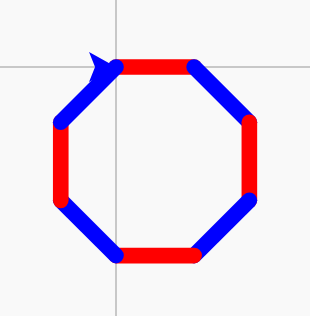
Gradio calls your function with what was chosen, and shows what it returns.
import gradio as gr

def answer(choice):
    return "You chose " + choice

gr.Interface(fn=answer, inputs=gr.Dropdown(["pop", "rock"]), outputs="text").launch()The new example needs the same columns, in the same order, as the training data.
mystery = pd.DataFrame([[47.0, 215.0]], columns=X.columns)
print(model.predict(mystery)[0])Repeat the indented lines this many times.
for i in range(4):
passfor i in range(5):
forward(15)
penup()
forward(10)
pendown()
Use the counter i to make each pass different.
for i in range(20):
    forward(i * 5)
right(90)for i in range(30):
forward(i * 5)
right(90)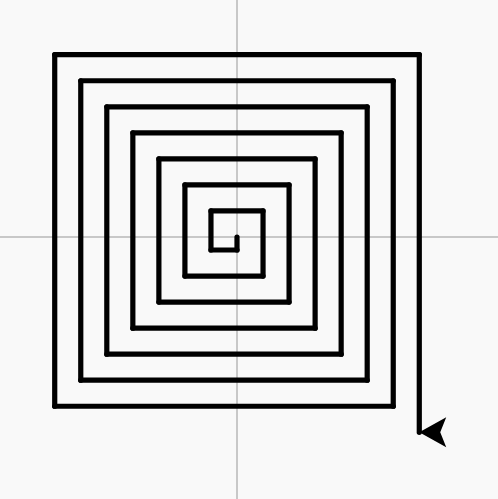
Reads the whole file into a table (a DataFrame). Numbers stay numbers.
import pandas as pd

songs = pd.read_csv("music.csv")fit learns from the training examples; score tests on the held-back ones (1.0 is 100%).
from sklearn.model_selection import train_test_split
from sklearn.neighbors import KNeighborsClassifier

X_train, X_test, y_train, y_test = train_test_split(X, y, test_size=0.25, random_state=1)
model = KNeighborsClassifier(n_neighbors=1)
model.fit(X_train, y_train)
print(model.score(X_test, y_test))